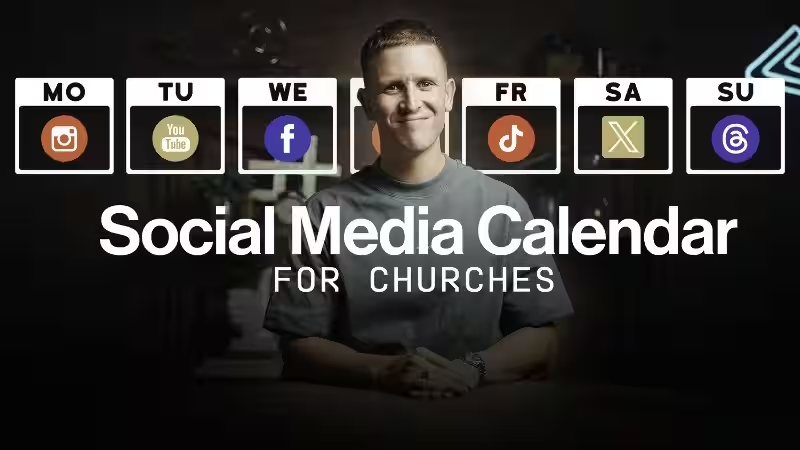
In the ever-evolving landscape of human connection, the church finds itself at a pivotal crossroads, grappling with the pervasive influence of social media. Once confined to physical sanctuaries and printed bulletins, the message of faith is now echoing across digital platforms, creating both unprecedented opportunities and unique challenges for religious institutions. Understanding how to effectively integrate social media into the church’s mission is no longer a peripheral concern; it’s a fundamental aspect of reaching and engaging a contemporary congregation.
This digital revolution has reshaped how individuals seek community, information, and spiritual guidance. For many, social media has become the primary arena for personal expression, news consumption, and even relationship building. Consequently, the church, in its desire to remain relevant and accessible, must thoughtfully consider its presence and purpose within this dynamic online ecosystem. The question isn’t whether the church should be on social media, but rather how it can best leverage these tools to foster deeper faith, build stronger communities, and spread its message of hope.
The Evolving Role of the Church in a Connected World
For centuries, the church has served as a cornerstone of community, a beacon of moral guidance, and a source of spiritual nourishment. Its traditional methods of outreach – Sunday services, Bible studies, and local outreach programs – have formed the bedrock of its ministry. However, the advent of the internet and the subsequent explosion of social media platforms have fundamentally altered how people connect and consume information. This shift necessitates a recalibration of how religious organizations approach engagement and communication. The church is no longer solely defined by its physical walls but increasingly by its digital footprint.
The ability to connect with individuals beyond geographical boundaries is a significant advantage offered by social media. Imagine a small, rural church reaching out to a young family who has recently moved into the area, not through a cold call, but through a warm, welcoming message on their community’s Facebook group. This instantaneous and personalized connection can foster a sense of belonging before they even step foot in the building. Similarly, individuals grappling with faith questions or seeking solace can find a supportive online community, a virtual extension of the church’s embrace, available at any hour.
Embracing Digital Outreach: Beyond the Sermon
Social media offers a versatile toolkit for churches looking to expand their reach and deepen their engagement. It’s not simply about broadcasting sermons online, though that can be a valuable component. Instead, it encompasses a multifaceted approach to communication that mirrors the diverse ways people interact online. This includes sharing uplifting messages, biblical insights, and inspirational stories, but also actively participating in conversations, responding to questions, and fostering a sense of dialogue.
Consider a church using Instagram to share visually appealing snippets of their service, highlighting acts of community service, or showcasing the vibrant life of their youth group. This visual storytelling can attract individuals who might not otherwise be exposed to the church’s message. Furthermore, platforms like Twitter can be used for timely announcements, sharing relevant news from a faith perspective, or even engaging in broader societal discussions, demonstrating the church’s commitment to being a voice for positive change in the world. The key is to move beyond a one-way dissemination of information to a more dynamic and interactive form of communication.
Building Community Online: Fostering Deeper Connections
The inherent nature of social media platforms lends itself to the creation and nurturing of community. For churches, this translates into an opportunity to build virtual congregations that complement and strengthen their physical gatherings. Online groups dedicated to specific ministries, prayer requests, or theological discussions can provide spaces for individuals to connect, share, and support one another between physical meetings. This is particularly beneficial for those who may be homebound, geographically distant, or simply find it challenging to attend regular services.
Think of a dedicated Facebook group for new members, where they can ask questions, connect with mentors, and feel a sense of belonging from the outset. This proactive approach can significantly reduce the attrition rate of newcomers. Moreover, live Q&A sessions with pastors or ministry leaders on platforms like YouTube or Facebook Live can provide immediate answers to theological queries or personal struggles, fostering a sense of direct access and personalized spiritual care. The goal is to create a digital extension of the church’s welcoming and supportive environment, where genuine relationships can flourish.
The Power of Storytelling and Testimony
One of the most potent aspects of social media is its ability to amplify personal stories and authentic testimonies. For churches, this means providing a platform for congregants to share how their faith has impacted their lives. These narratives, whether shared through short video clips, written posts, or live testimonials, can be incredibly powerful in inspiring others and demonstrating the transformative nature of faith. It humanizes the message and makes it relatable to those who might be searching for meaning.
Imagine a young person sharing their journey of overcoming addiction with the help of their church’s support system, posted on the church’s blog and shared across their social media channels. This kind of authentic sharing can resonate deeply with individuals facing similar challenges, offering them hope and a tangible example of God’s work. Similarly, a parent sharing their gratitude for the church’s children’s ministry can encourage other families to get involved. These shared experiences build a tapestry of faith that is both inspiring and encouraging, showcasing the tangible impact of the church in people’s lives.
Navigating Challenges and Maintaining Authenticity
While the opportunities presented by social media are vast, churches must also be mindful of the potential pitfalls. Maintaining authenticity and integrity in a digital space can be a delicate balancing act. The pressure to present a perfect or overly polished image can sometimes detract from the genuine, human nature of faith. It’s crucial for churches to be transparent, honest, and to reflect their core values in their online interactions.
One significant challenge is managing online discourse and ensuring that discussions remain respectful and constructive. Clear community guidelines and active moderation are essential to prevent the spread of misinformation or negativity. Furthermore, churches must be discerning about the content they share, ensuring it aligns with their theological teachings and ethical standards. This requires a dedicated team or individuals who understand both the digital landscape and the church’s mission, capable of discerning what is appropriate and beneficial for their online community.
Guardians of Truth and Grace in the Digital Realm
In the often-cacophonous digital sphere, the church has a unique role to play as a voice of truth, grace, and discernment. This means not only sharing uplifting content but also offering a thoughtful perspective on current events and societal issues from a faith-based viewpoint. It involves engaging in constructive dialogue, promoting understanding, and offering a counter-narrative to the negativity that can often proliferate online. The church’s message of love and redemption should be a constant undercurrent in all its digital interactions.
For example, when a controversial social issue arises, a church can use its social media platforms to share biblical principles related to compassion, justice, and unity, encouraging thoughtful reflection rather than divisive rhetoric. They can also highlight initiatives that align with these principles, demonstrating their commitment to living out their faith in tangible ways. This approach positions the church as a source of wisdom and a force for good, even in the digital realm. The ultimate goal is to ensure that the church’s online presence is a genuine reflection of its commitment to its faith and its community, fostering a space where all feel welcome and valued.
Frequently Asked Questions: Social Media and the Church
What are the benefits of the church using social media?
Social media can help churches connect with a wider audience, share their message, foster community, and provide resources. It allows for announcements, event promotion, live streaming of services, and opportunities for online engagement.
How can churches use social media to engage their congregation?
Churches can use social media for prayer requests, sharing testimonials, facilitating discussions, creating online small groups, and responding to comments and messages. It provides a platform for ongoing connection beyond Sunday services.
What are some potential challenges for churches on social media?
Challenges include managing online reputation, addressing controversial topics, ensuring privacy and safety, potential for misinformation, and the time and resources required for effective management.
How can churches maintain authenticity and integrity on social media?
By being transparent, consistent in messaging, and genuine in interactions. It’s important to reflect the church’s values and beliefs in all online content and communication.
What kind of content is appropriate for a church’s social media?
Appropriate content includes sermon highlights, inspirational quotes, event details, community outreach stories, volunteer opportunities, and reflections on faith. It should align with the church’s mission and values.
Should churches engage in online discussions about sensitive topics?
Churches should approach sensitive topics prayerfully and with wisdom. If they choose to engage, it should be done with respect, a focus on biblical principles, and a commitment to fostering understanding rather than division.
How can churches protect the privacy of their members on social media?
By obtaining consent before posting photos or personal stories, being mindful of what information is shared, and having clear guidelines for content creators.
What is the role of social media in evangelism for churches?
Social media can be a powerful tool for outreach, allowing churches to share their faith and invite people to learn more about Christianity in a non-intimidating, accessible way.
How can churches measure the effectiveness of their social media efforts?
By tracking engagement metrics such as likes, shares, comments, website clicks, and event registrations. Observing growth in followers and positive feedback can also indicate success.
Are there any ethical considerations for churches using social media?
Yes, ethical considerations include honesty, respect for others, avoiding gossip or slander, protecting the vulnerable, and being mindful of the impact of online communication on individuals and the community.