The rhythmic recitation of prayers can be a profound anchor in the storms of life, offering solace, guidance, and a direct line to the divine. For many, two of the most foundational and cherished prayers in Christian devotion are the Lord’s Prayer and the Hail Mary. While distinct in their origins and focus, both prayers serve as powerful conduits for connection, reflection, and spiritual growth. This article will delve into the meaning, significance, and practical application of these beloved prayers, exploring how they can enrich our spiritual journeys.
We often find ourselves seeking comfort and direction in moments of uncertainty, and the words of these prayers have resonated with generations of believers for precisely these reasons. Whether you are a seasoned practitioner or new to reciting them, understanding their deeper layers can transform them from rote repetition into a truly transformative spiritual practice. Let’s begin by exploring the prayer given to us by Jesus himself.
The Lord’s Prayer: A Blueprint for Divine Connection
The Lord’s Prayer, also known as the Our Father, is more than just a prayer; it’s a model for how we should approach God. Jesus taught this prayer to his disciples when they asked him how to pray, as recorded in the Gospels of Matthew and Luke. It’s a comprehensive petition that addresses our relationship with God, our spiritual needs, and our dealings with others.
It begins with an address that immediately establishes a personal and intimate relationship: “Our Father, who art in heaven.” This isn’t a distant, impersonal deity, but a loving parent who is present and actively involved in our lives. This opening sets the tone for the entire prayer, emphasizing trust and reliance on God’s benevolent care. The subsequent petitions, from the hallowed name and coming kingdom to daily bread and forgiveness, paint a picture of a life lived in accordance with God’s will, acknowledging our dependence and our responsibilities.
Hallowed Be Thy Name: Reverence and Acknowledgment
The phrase “hallowed be thy name” is a call to recognize and honor the supreme holiness of God. It’s an acknowledgment that God’s name, and by extension, God’s very being, is set apart, sacred, and worthy of the highest reverence. This isn’t just about uttering words; it’s about a deep-seated respect and awe for the divine. For example, when we acknowledge that God’s name is hallowed, we are essentially saying that everything He represents – His love, His justice, His mercy – is perfect and beyond reproach.
This first petition encourages us to prioritize God in our thoughts and actions. It’s a reminder to live in a way that reflects His glory, to be a testament to His goodness in our own lives. This can manifest in various ways, such as acting with integrity, showing compassion to others, or simply taking a moment to appreciate the beauty of creation as a reflection of His artistry. By focusing on His holiness, we elevate our own spiritual perspective.
Thy Kingdom Come, Thy Will Be Done: Aligning Our Lives with the Divine Plan
The petitions “thy kingdom come, thy will be done, on earth as it is in heaven” speak to our desire for God’s reign to be fully realized, not just in the spiritual realm, but in our everyday lives and across the entire world. This is a prayer for divine intervention and transformation. It’s about wishing for a world where God’s values of love, peace, and justice permeate every aspect of society, just as they exist perfectly in heaven.
This part of the Lord’s Prayer calls us to actively participate in bringing about that kingdom. It’s not passive wishing; it’s an invitation to co-creation. We are called to be instruments of God’s will, to act with kindness, to seek justice, and to spread love, thereby contributing to the realization of His kingdom on earth. Think of it like gardening: we plant the seeds, water them, and tend to them, trusting in the natural growth process guided by the sun and rain. Similarly, we do our part in spreading God’s love and values, trusting Him to bring about the ultimate harvest.
Give Us This Day Our Daily Bread: Dependence and Provision
“Give us this day our daily bread” beautifully illustrates our complete dependence on God for all our needs, both material and spiritual. It’s a prayer for sustenance, acknowledging that everything we have comes from Him. The emphasis on “daily” suggests a need for trust and faith in God’s ongoing provision, rather than a focus on accumulating worldly wealth or material possessions for the distant future.
This petition is relatable because we all experience moments of needing something – whether it’s food on the table, strength to face a challenge, or wisdom to make a decision. It’s a simple yet profound acknowledgment that we are not self-sufficient. This can be a powerful reminder to practice gratitude for what we have, recognizing that even the smallest blessings are gifts from above. It also encourages us to share our abundance with those who are in need, mirroring God’s generosity.
Forgive Us Our Trespasses, As We Forgive Those Who Trespass Against Us: The Cycle of Mercy
Perhaps one of the most challenging yet vital petitions in the Lord’s Prayer is “forgive us our trespasses, as we forgive those who trespass against us.” This is a mutual covenant of mercy. We ask for God’s forgiveness, but we are also bound to extend that same grace to others. This highlights the reciprocal nature of divine love and human interaction.
The implication here is clear: our ability to receive God’s forgiveness is intrinsically linked to our willingness to forgive others. This can be incredibly difficult, especially when we have been deeply hurt. However, the prayer reminds us that unforgiveness can be a heavy burden. By choosing to forgive, we not only open ourselves to God’s mercy but also liberate ourselves from the pain of resentment. Consider the analogy of a locked door: unforgiveness keeps us trapped, while forgiveness unlocks the door to healing and peace.
Lead Us Not Into Temptation, But Deliver Us From Evil: Seeking Protection and Guidance
The final petition, “lead us not into temptation, but deliver us from evil,” is a plea for divine protection and guidance. We acknowledge our human weakness and the pervasive presence of negative influences in the world. This is a prayer for strength to resist wrongdoing and for deliverance from forces that seek to harm us, both spiritually and physically.
This part of the Lord’s Prayer calls for discernment and vigilance. It’s about actively choosing paths that lead away from danger and towards goodness, while relying on God’s power to shield us. This can involve seeking wise counsel, avoiding harmful environments, and cultivating a strong inner compass guided by faith. It’s a constant reminder that we are not alone in our struggles and that God is our refuge and strength.
The Hail Mary: A Prayer of Intercession and Devotion
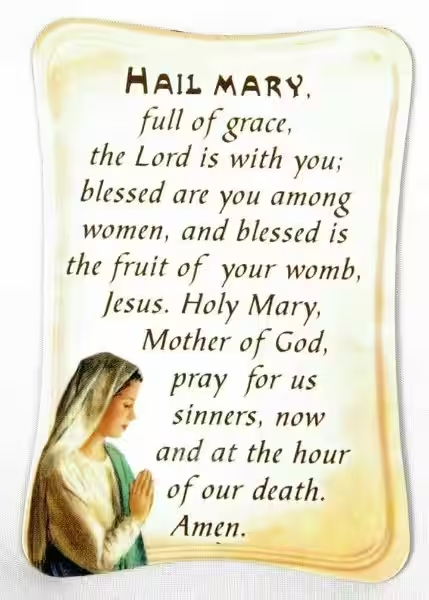
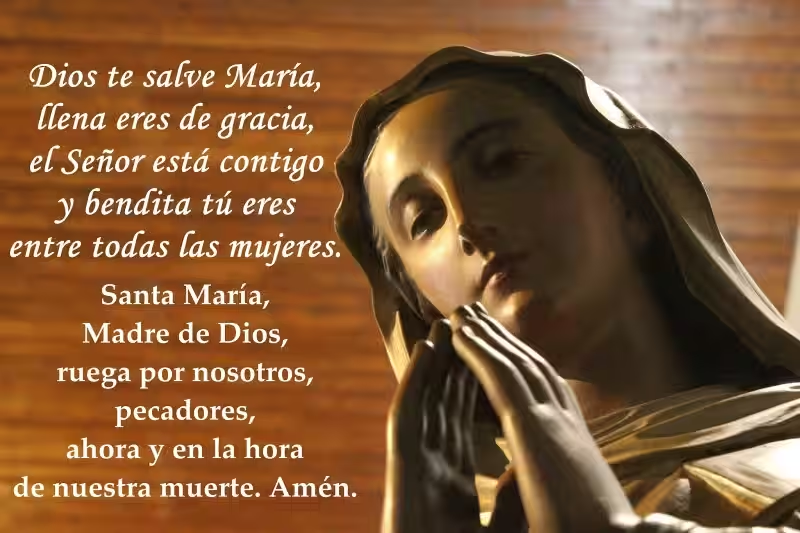
While the Lord’s Prayer is a direct address to God the Father, the Hail Mary is a prayer directed to the Virgin Mary, asking for her intercession. This Marian devotion is central to Catholicism and is also practiced by some in other Christian traditions. The prayer draws its text from the biblical accounts of the Annunciation and the Visitation, making it deeply rooted in scripture.
The Hail Mary is a beautiful expression of veneration for Mary, recognizing her unique role in salvation history as the Mother of Jesus. It’s not an act of worship, which is reserved for God alone, but a profound act of asking for her prayers and support. Like a child asking their mother to speak on their behalf to their father, we ask Mary to intercede for us with her divine Son.
Hail, Full of Grace, The Lord Is With Thee: Acknowledging Mary’s Blessedness
The opening of the Hail Mary, “Hail, full of grace, the Lord is with thee,” directly quotes the angel Gabriel’s greeting to Mary at the Annunciation. This phrase is central to understanding Mary’s special status. “Full of grace” signifies that Mary was uniquely blessed and favored by God, set apart for a divine purpose. The Lord is with thee emphasizes her intimate connection and constant communion with God.
This part of the prayer is an acknowledgment of Mary’s purity, holiness, and her vital role as the vessel through which Jesus entered the world. It’s a recognition of her perfect obedience to God’s will. When we say “full of grace,” we are marveling at God’s extraordinary gift to her, and by extension, her readiness to receive and embrace that gift. It’s an invitation to reflect on God’s transformative power and how He can work through those who are open to Him.
Blessed Art Thou Among Women, And Blessed Is The Fruit Of Thy Womb, Jesus: Veneration of Mother and Son
The continuation, “Blessed art thou among women, and blessed is the fruit of thy womb, Jesus,” further emphasizes Mary’s exalted position. She is declared blessed among all women, a testament to her unique calling and her sanctity. The latter part, “blessed is the fruit of thy womb, Jesus,” is a direct and powerful affirmation of Jesus’ divinity and humanity.
This section of the Hail Mary is a beautiful declaration of faith in both Mary’s special role and the identity of Jesus. It’s a reminder of the Incarnation, the miraculous event where God became man through Mary. For many, reciting this part of the prayer is a moment to reaffirm their belief in the central tenets of Christianity and to express gratitude for the gift of salvation through Jesus. It’s like holding up a precious jewel and saying, “This is magnificent, and the source of this beauty is even more so.”
Holy Mary, Mother of God, Pray For Us Sinners, Now and At The Hour of Our Death: A Plea for Intercession
The concluding petitions of the Hail Mary, “Holy Mary, Mother of God, pray for us sinners, now and at the hour of our death,” form the core of the request for intercession. By calling her “Holy Mary, Mother of God,” we acknowledge her sanctity and her profound maternal relationship with Jesus. The crucial request is “pray for us sinners.”
This is where the Hail Mary becomes a prayer of supplication and reliance on intercessory prayer. We recognize our own sinfulness and our need for God’s mercy. We believe that Mary, being so close to God, can effectively plead our case before Him. The inclusion of “now and at the hour of our death” highlights the constant need for her prayers throughout our lives and especially in our final moments, when the stakes are highest. It’s a powerful expression of trust in her maternal care and her ability to guide us towards God.
Integrating the Lord’s Prayer and Hail Mary into Daily Life
Both the Lord’s Prayer and the Hail Mary are not meant to be confined to specific liturgical settings; they are powerful tools for daily spiritual practice. Their simple yet profound words can be integrated into our routines to foster a deeper connection with God and with the Blessed Mother.
Consider starting your day with the Lord’s Prayer. As you recite “Our Father, who art in heaven,” invite God into your day. As you say “Give us this day our daily bread,” offer your needs and desires to Him. The petition “Forgive us our trespasses, as we forgive those who trespass against us” can be a powerful prompt to let go of any lingering resentments from the previous day. Similarly, a Hail Mary can be a comforting prayer during moments of stress or a reminder of God’s love when you feel alone.
The beauty of these prayers lies in their versatility. You can pray them silently in your heart during a commute, aloud in a quiet moment of reflection, or as part of a larger devotional practice. The key is to pray with intention and an open heart, allowing the words to resonate and guide your thoughts and actions. They are not merely a ritual, but a living connection to the divine, offering peace, strength, and unwavering love. By returning to the Lord’s Prayer and the Hail Mary regularly, we can cultivate a richer, more meaningful spiritual life.
Frequently Asked Questions: The Lord’s Prayer and the Hail Mary
The Lord’s Prayer and the Hail Mary are two foundational prayers in Christianity. While both are addressed to God, they have distinct origins, focuses, and theological implications.
What is the Lord’s Prayer?
The Lord’s Prayer, also known as the “Our Father,” is a prayer taught by Jesus to his disciples as recorded in the Gospels of Matthew and Luke. It is a model prayer that covers adoration, petition, and supplication.
What is the Hail Mary?
The Hail Mary is a traditional Catholic prayer that invokes the Virgin Mary. It combines a greeting from the Annunciation with a petition for her intercession.
What is the difference between the Lord’s Prayer and the Hail Mary?
The primary difference lies in their origin and object of prayer. The Lord’s Prayer is directly taught by Jesus and is addressed to God the Father. The Hail Mary is addressed to Mary, asking her to pray to God on behalf of the supplicant.
What is the theological basis for the Hail Mary?
The Hail Mary is rooted in Catholic belief regarding Mary’s role as the Mother of God and her intercessory power. Catholics believe Mary, having been chosen by God, can petition Him on behalf of believers.
Are both prayers used in all Christian denominations?
The Lord’s Prayer is widely used across many Christian denominations, including Catholic, Orthodox, and Protestant traditions. The Hail Mary is primarily used in the Catholic Church and to a lesser extent in some High Church Anglican and Lutheran traditions.
What are the key themes of the Lord’s Prayer?
Key themes include the hallowing of God’s name, the coming of God’s kingdom, submission to God’s will, asking for daily needs, forgiveness of sins, and protection from evil.
What are the key components of the Hail Mary?
The Hail Mary consists of two parts: a greeting to Mary based on the angel Gabriel’s words and Elizabeth’s exclamation (“Hail, full of grace…”), and a petition asking Mary to pray for us sinners now and at the hour of our death.
Can I pray both the Lord’s Prayer and the Hail Mary?
Yes, many Christians, particularly Catholics, pray both. They are seen as complementary prayers, one directly to God and the other seeking the intercession of Mary.