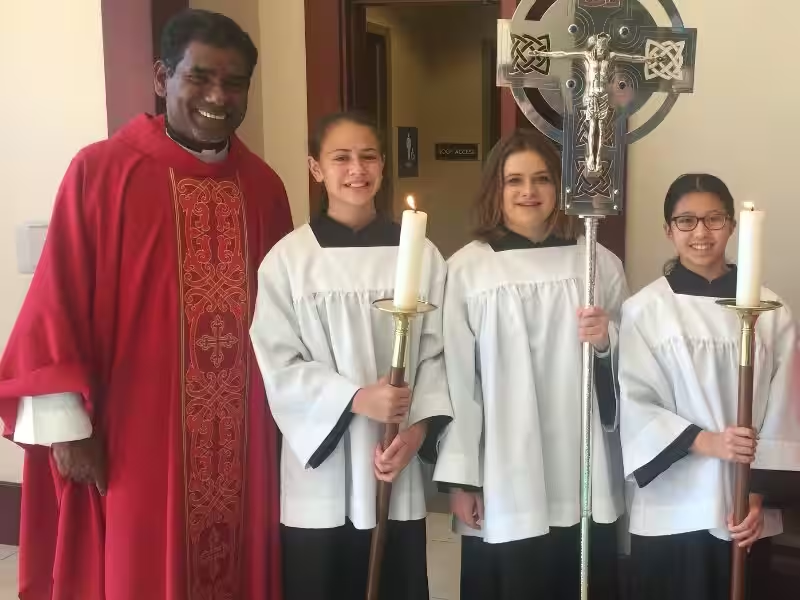
The sanctuary, a space imbued with sacredness and quiet anticipation, often features a focal point that draws the eyes of the faithful: the altar. It is here, amidst the solemn rituals and profound prayers, that the altar server plays a vital, though often understated, role. Far more than just a participant, the altar server is a conduit, a helper, and a visible embodiment of dedication within the religious ceremony. Their presence, marked by specific vestments and precise movements, lends an air of order and reverence to the liturgy, allowing the congregants to better focus on the divine.
The journey of becoming an altar server is one that begins with a calling, a desire to serve God and the community in a meaningful way. It’s a commitment that requires dedication, discipline, and a deep respect for the sacred setting. For many, it’s their first tangible connection to the inner workings of their faith, offering a unique perspective on the traditions they hold dear. This role is not merely about carrying candles or holding books; it’s about actively participating in the unfolding mystery of worship, becoming an integral part of the religious fabric of their parish.
The altar server occupies a position of privilege and responsibility within the church. Their duties, though seemingly simple, are essential to the smooth execution of liturgical services. They are the silent partners of the priest or minister, ensuring that everything proceeds with dignity and grace. This involvement goes beyond rote actions; it’s about understanding the significance of each gesture and object used during worship.
From assisting with the preparation of the altar to carrying the processional cross and lighting candles, the altar server is a constant, reliable presence. Imagine a conductor guiding an orchestra; the altar server acts in a similar fashion, facilitating the flow of the service so that the music of prayer and praise can reach its fullest expression. This requires attentiveness, obedience to instructions, and a genuine spirit of service. Their actions, though often silent, speak volumes about their commitment to their faith and their community.
Responsibilities and Duties
The specific responsibilities of an altar server can vary slightly depending on the denomination and local customs, but a core set of duties remains consistent. These tasks are designed to support the celebrant and enhance the worshippers’ experience.
Carrying the processional cross and candles: This is often one of the most visible roles, marking the entrance and exit of the clergy.
Holding the missal or prayer book for the celebrant: Ensuring the celebrant has easy access to the texts throughout the service.
Assisting with the preparation of the altar: This might involve placing the chalice, paten, and other liturgical items.
Holding the cruets of water and wine: Presenting these essential elements for the Eucharist.
Washing the hands of the celebrant: A symbolic act of purification before the consecration.
Assisting with the reception of gifts: Helping to bring forward the offerings of bread and wine.
Extinguishing candles: A quiet, reverent conclusion to the use of candlelight.
Each of these actions, when performed with care and devotion, contributes to the overall solemnity and spiritual impact of the worship. The altar server, through their diligent service, becomes a living testament to the beauty and order of religious ritual.
The Meaning Behind the Actions
It’s crucial to understand that the duties of an altar server are not mere mechanical tasks. Each action is steeped in religious symbolism and tradition. For instance, carrying the cross signifies the journey of Christ, while lighting the candles represents the light of Christ entering the world. The washing of hands, a simple act, mirrors Christ’s washing of the disciples’ feet, emphasizing humility and service.
When an altar server holds the cruets, they are symbolically presenting the very elements that will, through faith and prayer, become the Body and Blood of Christ. This is a profound moment, one that requires a deep understanding and respect for the sacrament being prepared. The altar server’s role, therefore, is to facilitate this sacred transformation with reverence and focus, allowing the divine presence to be more palpable for all present.
Growing in Faith Through Service: The Altar Server’s Journey
The role of an altar server is not static; it is a journey of spiritual growth and deepening understanding. For young people, it often serves as their first formal involvement in the religious life of their parish, providing an invaluable opportunity to learn about their faith from the inside out. This hands-on experience fosters a sense of belonging and purpose within the church community.
Beyond the practical duties, the altar server cultivates virtues essential to a life of faith. Patience is learned through waiting for cues and performing tasks precisely. Humility is fostered by serving without seeking personal recognition, focusing instead on the needs of the liturgy and the congregation. This experience can profoundly shape a young person’s spiritual development, laying a foundation for a lifelong commitment to their beliefs.
The spiritual formation of an altar server is a significant aspect of their involvement. Through training and ongoing participation, servers learn about the theology of worship, the meaning of sacraments, and the importance of prayer. This direct engagement with the liturgy allows them to internalize the teachings of their faith in a way that goes beyond passive listening.
Consider a young altar server who, week after week, participates in the consecration of the Eucharist. Initially, they might be focused on the mechanics of their role. However, with time and reflection, the profound mystery of the sacrament begins to dawn on them. They witness firsthand the transformation of bread and wine, and this visual and participatory experience can spark a deeper, more personal faith. This active participation in worship is a powerful catalyst for spiritual growth.
Building Community and Belonging
Being an altar server fosters a strong sense of community and belonging within the church. Servers often work closely together, forming bonds of friendship and mutual support. They are part of a team, united by their shared commitment to serve. This collaborative spirit extends to their interactions with the clergy and the wider congregation.
This sense of belonging is especially important for young people navigating adolescence. The altar server program provides a structured environment where they can feel valued, useful, and connected to something larger than themselves. It’s a space where they can develop leadership skills, learn teamwork, and experience the joy of contributing to their religious community. This shared experience, filled with laughter, learning, and dedicated service, creates lasting memories and strengthens the fabric of the church.
The Enduring Significance of the Altar Server
In a world that often prioritizes individual achievement and superficial engagement, the role of the altar server stands as a quiet testament to the enduring power of dedication, service, and faith. They are the unseen hands that help guide the sacred rituals, the silent witnesses to profound moments of grace, and the visible embodiment of a community committed to worship. Their presence enriches the religious experience for all, reminding us of the beauty and order that can be found in devoted service.
The altar server is more than just a participant; they are a vital thread in the tapestry of religious life. Their commitment, often undertaken with youthful enthusiasm and later matured into steadfast devotion, inspires those around them. Whether they are just beginning their journey or have served for many years, their role is a precious gift to the church, a reminder that even the smallest acts, performed with a willing heart, can contribute immeasurably to the glory of God.
Frequently Asked Questions about Altar Servers
What is an altar server?
An altar server is a lay assistant to a member of the clergy during a Christian religious service. They assist the priest or minister at the altar in various capacities.
What are the duties of an altar server?
The duties of an altar server can vary slightly depending on the denomination and specific service, but commonly include:
* Carrying the processional cross and candles.
* Holding the missal (prayer book) for the priest.
* Assisting with the presentation of the gifts (bread and wine).
* Helping to prepare the altar.
* Assisting with incense.
* Washing the hands of the priest.
Who can be an altar server?
Historically, altar servers were often boys. However, in many Christian traditions today, both boys and girls, men and women, can serve as altar servers, regardless of age, provided they have received the appropriate training and are committed to the role.
What qualities are needed to be an altar server?
Good qualities for an altar server include:
* Reverence and respect for the sacredness of the liturgy.
* Punctuality and reliability.
* The ability to follow instructions.
* A willingness to serve.
* A good understanding of the Mass or service.
How does one become an altar server?
Typically, individuals interested in becoming an altar server will express their interest to their parish priest, pastor, or youth minister. They will then undergo training to learn the specific roles and responsibilities associated with the position within their particular church or denomination.
Is there a specific religion that has altar servers?
Altar servers are primarily associated with Christian denominations, particularly those with liturgical traditions. This includes Roman Catholicism, Anglicanism, Lutheranism, and some other Protestant denominations.