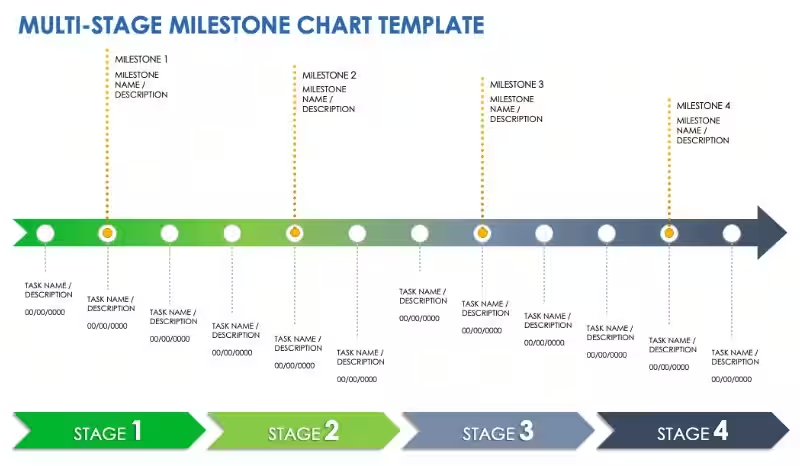
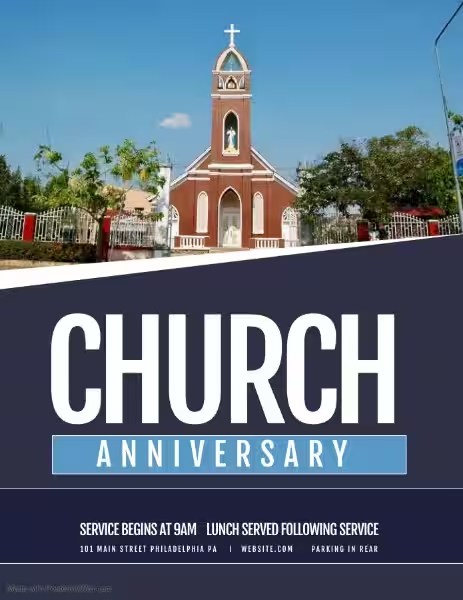
The journey of faith, much like any significant endeavor in life, is punctuated by moments of reflection, evaluation, and renewed commitment. In many religious traditions, these pivotal junctures are not merely passive occurrences but are actively acknowledged and celebrated through what can be understood as a milestone meeting – a gathering designed to mark progress, solidify understanding, and recommit to the path ahead. Whether it’s a young person receiving their first communion, a couple celebrating a significant anniversary of their marriage in the eyes of their faith, or a congregation reviewing its spiritual direction, these meetings serve as vital anchors in the often fluid nature of religious life.
These gatherings are far more than just social events; they are intentional opportunities to pause, assess, and recommit. They offer a structured way to acknowledge the spiritual milestones that shape individuals and communities. By consciously recognizing these moments, we imbue them with deeper meaning and ensure that the journey of faith remains a vibrant and evolving aspect of our lives.
Understanding the Concept of a Milestone Meeting in Religious Contexts
At its core, a milestone meeting in a religious setting is any occasion where individuals or groups come together to formally or informally acknowledge a significant step in their spiritual journey, their understanding of doctrine, or their commitment to their faith community. These meetings can range from highly structured ceremonies with prescribed rituals to more informal discussions within a study group or family. The common thread is the deliberate act of recognizing and marking a progression, a learning, or a renewed dedication.
Think of it like reaching a significant landmark on a hiking trail. You don’t just keep walking; you stop, admire the view, consult your map, and confirm you’re still on the right path. Similarly, a milestone meeting allows us to pause in our spiritual pilgrimage, to appreciate how far we’ve come, to ensure our understanding is aligned with our beliefs, and to reaffirm our commitment to continuing the journey. This might involve a formal ordination ceremony for a new minister, a confirmation rite for adolescents solidifying their vows, or even a family prayer gathering after overcoming a shared hardship. Each signifies a point of progress and a call to deeper engagement.
Examples of Milestone Meetings in Different Faith Traditions
Across the vast spectrum of religious belief, the concept of a milestone meeting manifests in diverse and beautiful ways. In Christianity, the sacrament of Baptism marks a foundational entry into the faith, often followed by a First Communion or Confirmation, where individuals publicly affirm their beliefs. These are clear examples of milestone meetings in a personal spiritual narrative, often involving family, godparents, and the wider congregation offering support and guidance. For instance, a confirmation class might hold a special milestone meeting where each student shares a personal testimony about their faith journey, preceded by months of study and reflection on core tenets of their denomination.
Similarly, Judaism celebrates significant life cycle events that function as profound milestone meetings. The Bar Mitzvah and Bat Mitzvah signify a young person’s transition into religious adulthood, marked by reading from the Torah and a commitment to observing commandments. This is a crucial milestone meeting for the entire family and community, often involving extensive preparation and a celebratory gathering. In Islam, the Hajj pilgrimage is perhaps the ultimate spiritual milestone, a profound gathering of millions of believers from all walks of life, affirming their unity and submission to Allah. Even within these broad examples, smaller, more intimate milestone meetings occur regularly, such as weekly prayer circles or study groups that periodically assess their collective understanding and progress.
The Purpose and Benefits of Holding Milestone Meetings
The primary purpose of a milestone meeting in any religious context is to foster and solidify spiritual growth and commitment. These gatherings provide a structured opportunity for individuals and communities to reflect on their journey, to celebrate achievements, and to identify areas for continued development. They serve as powerful reminders of the core values and beliefs that guide their lives, reinforcing the bonds of community and shared purpose. For a faith group embarking on a new outreach initiative, a milestone meeting might be scheduled six months later to review their progress, celebrate initial successes, and recalibrate their strategies, ensuring they remain on course.
The benefits of consciously holding these milestone meetings are manifold. For individuals, they offer moments of profound personal reflection and affirmation, strengthening their sense of identity and purpose within their faith. For communities, these meetings build cohesion, foster a sense of shared history and future, and provide a platform for mutual support and encouragement. Imagine a church that has just completed a major renovation project; a milestone meeting to dedicate the new space and thank all contributors serves not only as a celebration but also as a powerful reaffirmation of their collective dedication to their spiritual home and its mission.
Enhancing Faith Through Reflection and Recommitment
The act of pausing for a milestone meeting inherently encourages introspection. It’s a dedicated time to ask: “Where have I come from, where am I now, and where am I going in my faith?” This reflective process allows individuals to process their experiences, understand how their beliefs have shaped their actions, and identify areas where they might have strayed or where deeper understanding is needed. For example, a milestone meeting in a discipleship program might involve participants sharing how specific teachings have impacted their daily lives over the past year, leading to a collective understanding of the program’s effectiveness and areas for improvement.
Beyond reflection, these meetings are crucial for recommitment. Life is full of distractions and challenges that can dilute one’s spiritual focus. A milestone meeting acts as a powerful recalibrator, a chance to intentionally renew one’s vows, to re-energize one’s commitment to spiritual practices, and to reaffirm one’s dedication to the principles of their faith. This could be as simple as a family setting aside a special evening for a milestone meeting to discuss their spiritual goals for the upcoming year, culminating in a shared prayer of dedication. This act of conscious recommitment breathes new life into faith, preventing it from becoming stagnant or taken for granted.
Practical Strategies for Organizing and Conducting Meaningful Milestone Meetings
To ensure that a milestone meeting is truly impactful, careful planning and execution are essential. The first step involves clearly defining the purpose of the meeting: what specific spiritual milestone are we acknowledging? Is it an individual’s spiritual maturity, a community’s progress on a specific goal, or a collective reaffirmation of core beliefs? Once the purpose is clear, the next step is to decide on the format. This could range from a formal worship service with a special sermon and liturgy to a more informal retreat or a facilitated discussion group. For a church staff, a milestone meeting to review the past year’s ministry might involve a facilitated SWOT analysis (Strengths, Weaknesses, Opportunities, Threats) followed by strategic planning for the next phase.
When conducting the meeting, creating a safe and open atmosphere is paramount. Encourage honest sharing, active listening, and respectful dialogue. Consider incorporating elements that cater to different learning styles and spiritual preferences, such as prayer, meditation, scripture readings, group activities, and individual reflection time. For a youth group marking the completion of a service project, a milestone meeting might involve a shared meal, presentations from those involved, a thank you to volunteers, and a discussion about the impact of their work and future service opportunities. These elements ensure that the milestone meeting is not just an event, but an experience that fosters deeper connection and understanding.
Creating an Inclusive and Engaging Environment
An inclusive milestone meeting ensures that everyone feels valued and has an opportunity to participate. This means considering the diverse backgrounds, experiences, and spiritual needs within the group. Language used should be accessible and welcoming, avoiding jargon or exclusionary terminology. Providing opportunities for both verbal and non-verbal participation can also enhance inclusivity. For instance, during a milestone meeting for a religious education program, alongside discussions, participants might be invited to contribute through art, music, or journaling, allowing a broader range of expression and engagement.
Engaging participants requires more than just attendance; it demands active involvement. This can be achieved by assigning roles, posing thought-provoking questions, and encouraging personal testimonies or reflections. The goal is to move beyond passive reception to active participation, making the milestone meeting a dynamic and memorable experience. A community seeking to recommit to its mission of social justice might hold a milestone meeting that includes a guest speaker, a Q&A session, and a brainstorming activity to generate concrete action steps, ensuring that the commitment translates into tangible efforts.
The Enduring Significance of Milestones in the Religious Life
The practice of marking spiritual milestones through dedicated meetings holds profound and enduring significance. In a world often characterized by constant flux, these moments of pause and recognition provide essential anchors, grounding individuals and communities in their faith. They are not just checkpoints; they are springboards for renewed purpose, deeper understanding, and strengthened bonds.
Ultimately, these milestone meetings serve as vital affirmations of the continuous journey of faith. They remind us that growth is not always linear but is marked by significant moments of learning, commitment, and transformation. By consciously engaging with these junctures, we ensure that our religious lives remain vibrant, relevant, and deeply meaningful, shaping our present and guiding our future.
Frequently Asked Questions
What is a milestone meeting?
A milestone meeting is a formal gathering to review progress towards a significant goal or project objective. It’s an opportunity to assess achievements, identify any roadblocks, and plan the next steps to ensure the project stays on track.
Is there a specific religious requirement for milestone meetings?
No, milestone meetings are generally secular and do not have any religious requirements. Their purpose is to focus on project objectives and progress, regardless of any participants’ religious beliefs.
Can religious practices be incorporated into milestone meetings?
While not a requirement, participants may choose to incorporate brief, optional religious elements if they are all comfortable and it aligns with the group’s culture. This is entirely at the discretion of the attendees and should not be disruptive to the meeting’s primary purpose.
What if a milestone meeting conflicts with a religious observance?
If a milestone meeting date conflicts with a significant religious observance for one or more participants, it is customary to reschedule the meeting to accommodate everyone. Open communication about such conflicts is encouraged.
Are there religious considerations when setting the agenda for a milestone meeting?
The agenda for a milestone meeting should focus on project-related topics. Unless the project itself has a religious component, religious matters are typically not included in the agenda.