The Dawn of Devotion: Why Morning Hebrew Prayer Matters
The first rays of dawn paint the sky with hues of rose and gold, a universal signal of a new beginning. For many, this moment is more than just the start of a new day; it’s an invitation to connect with something deeper, a call to awaken the soul. In the Jewish tradition, this profound connection is often forged through the practice of morning Hebrew prayer. This isn’t merely a ritualistic recitation; it’s a deliberate act of spiritual grounding, a way to set the tone for the hours ahead and to acknowledge the divine presence in our lives. The beauty of morning Hebrew prayer lies in its ability to transform the mundane into the sacred, infusing our daily routines with purpose and gratitude.
Imagine waking up feeling adrift, the weight of daily tasks already pressing down. Morning Hebrew prayer offers an anchor. It’s a conscious choice to pause before the world demands our attention, to center ourselves in a space of peace and reflection. The ancient words, spoken in Hebrew, carry centuries of tradition and the collective experience of countless individuals seeking solace, strength, and guidance. This practice is accessible to everyone, regardless of their level of Hebrew fluency, as the intention and the heartfelt sentiment behind the words are paramount. Whether you understand every syllable or are learning as you go, the act of engaging with morning Hebrew prayer is a powerful step toward a more mindful and meaningful day.
Unlocking the Meaning: The Core of Morning Hebrew Prayer
At the heart of morning Hebrew prayer are foundational texts that have been cherished for generations. These prayers are not static pronouncements; they are living expressions of faith, hope, and a deep appreciation for creation. Key among them is the Shema Yisrael, a declaration of God’s oneness, which serves as the cornerstone of Jewish belief. Reciting the Shema in the morning is a powerful affirmation of our commitment to a singular, overarching force, a reminder that we are part of something infinitely larger than ourselves. This profound declaration, often chanted with deep emotion, can resonate deeply within the soul, providing a sense of purpose and belonging.
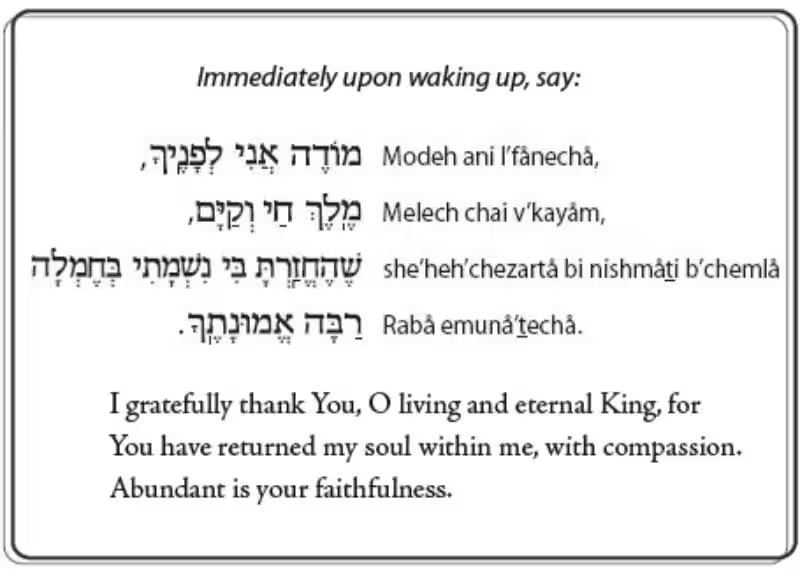
Beyond the Shema, morning Hebrew prayer encompasses a rich tapestry of blessings and petitions. There are prayers of gratitude for the simple act of waking up, for a healthy body, and for the opportunities that the new day presents. These blessings, like “Modeh Ani,” which thanks God for restoring our soul, are profound in their simplicity. They gently guide us to recognize the abundance in our lives, even in the smallest of things. Learning these prayers, even in translation, opens a window into a spiritual worldview that emphasizes thankfulness and humility. The structured nature of these prayers provides a comforting rhythm, allowing us to move through our devotions with a sense of order and intention.
The use of Hebrew in morning Hebrew prayer is not arbitrary; it’s deeply rooted in the tradition and the belief in the power of this ancient language. For many, Hebrew is more than just a means of communication; it is a sacred tongue, imbued with spiritual energy and historical significance. The letters themselves are considered to have unique mystical properties, and their arrangement in prayer words is believed to create a direct conduit to the divine. While this concept might seem abstract, consider how certain sounds or melodies can evoke specific emotions or memories. In a similar vein, the ancient sounds of Hebrew, when spoken with intention, are thought to create a spiritual resonance.
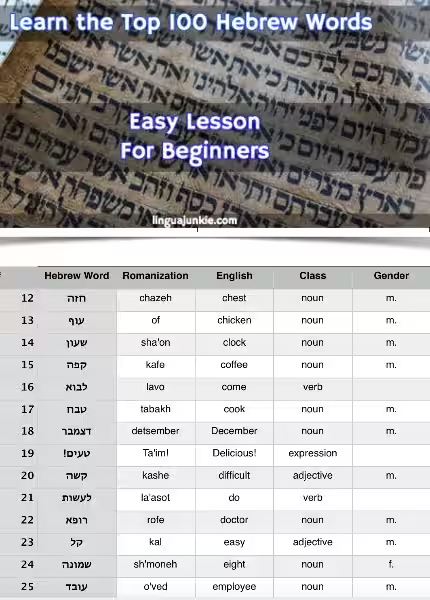
For those who are not fluent in Hebrew, the prospect of morning Hebrew prayer might seem daunting. However, the tradition itself offers solutions. Many prayer books, known as Siddurim, provide transliterations, allowing individuals to pronounce the Hebrew words even if they don’t know the language. Furthermore, understanding the translations and the underlying meaning of the prayers can be just as impactful. The goal isn’t perfect pronunciation; it’s sincere engagement. Even if you are simply reading along and focusing on the sentiment of gratitude, awe, or petition, you are participating in a time-honored spiritual practice. The journey into understanding the nuances of Hebrew prayer is often a lifelong one, filled with discovery and deepening connection.
Crafting Your Personal Practice: Integrating Morning Hebrew Prayer into Your Life
Making morning Hebrew prayer a part of your daily life doesn’t require a grand overhaul. It’s about finding small, sustainable ways to incorporate these ancient practices into your existing routine. Perhaps you can begin with just one or two key prayers, like the “Modeh Ani” and the Shema. Dedicate a few minutes after waking up, before you even check your phone, to sit quietly and recite these words. The key is consistency, even if it’s just for a short duration. Over time, you’ll find that these moments of spiritual nourishment become a deeply ingrained part of your morning, a gentle transition from sleep to wakefulness.
Consider creating a dedicated space for your morning Hebrew prayer. This doesn’t need to be elaborate; a quiet corner, a comfortable chair, or even just a specific spot by a window can serve as your sanctuary. Having a physical space can help to signal to your mind that it’s time for reflection and connection. You might also consider using a beautifully bound Siddur, a prayer book, as a tangible reminder of the tradition. The physical act of opening the book and turning its pages can add to the ritualistic and grounding aspect of your prayer. Experiment with different times of day within the morning – some find it easiest right upon waking, while others prefer after a brief period of quiet contemplation. Personalization is key to making this practice resonate deeply.
Beyond the Words: The Transformative Impact of Morning Hebrew Prayer
The benefits of morning Hebrew prayer extend far beyond the recitation of words. This practice cultivates a profound sense of gratitude, shifting our focus from what we lack to the abundance that already exists. By acknowledging the divine in the morning, we are more likely to carry that sense of appreciation throughout the day, making us more resilient in the face of challenges and more attuned to the joys, however small. This mindful approach can lead to a significant reduction in stress and anxiety, as we learn to trust in a higher power and to accept the unfolding of events with greater equanimity.
Moreover, morning Hebrew prayer fosters a deep sense of connection. It connects us to our heritage, to a community of believers spanning generations, and most importantly, to the divine. This spiritual connection can provide a sense of purpose and meaning that transcends the everyday. It reminds us that we are not alone in our struggles or our triumphs. By regularly engaging in this practice, individuals often report a greater sense of inner peace, a clearer sense of direction, and an overall enhanced quality of life. The simple act of speaking ancient Hebrew words in the morning can, in fact, be a powerful catalyst for profound personal transformation.
Frequently Asked Questions about Morning Hebrew Prayer
What is the purpose of morning Hebrew prayer?
Morning Hebrew prayer, known as Shacharit, is a daily practice in Judaism intended to connect with God, express gratitude, and begin the day with spiritual intention. It’s a time for reflection, praise, and seeking guidance.
What are the main components of the morning prayer service?
The Shacharit service typically includes the Shema prayer (a declaration of faith), Amidah (a standing prayer), blessings (brachot), psalms, and Torah readings (on certain days). The specific order and content can vary slightly between different Jewish traditions.
Do I need to know Hebrew to pray in the morning?
While Hebrew is the traditional language of Jewish prayer, it is not strictly necessary. Many prayer books include transliterations and translations, and the intention and meaning behind the prayers are paramount. Learning some basic Hebrew can enhance the experience.
What is the significance of the Tallit and Tefillin in morning prayer?
The Tallit (prayer shawl) is worn during morning prayers as a reminder of the commandments and as a symbol of divine protection. Tefillin (phylacteries) are small leather boxes containing Torah verses, worn on the arm and head during weekday morning prayers, symbolizing devotion and binding oneself to God’s will.
Are there specific times for morning Hebrew prayer?
Morning prayers are ideally recited from sunrise until the end of the third hour of the day. However, there are allowances for praying later depending on individual circumstances and the specific halachic (Jewish law) opinions.
Can I pray alone or do I need to pray in a minyan (prayer quorum)?
While praying alone is permissible and meaningful, certain parts of the service, such as Kaddish (a memorial prayer) and the public reading of the Torah, require a minyan of ten Jewish adults. Many find the communal aspect of praying with a minyan to be spiritually uplifting.
Is there a specific order to the prayers?
Yes, there is a traditional order to the Shacharit service, which is followed in most synagogues. This order has been established over centuries and aims to create a meaningful and comprehensive prayer experience.
What if I don’t understand all the prayers?
It’s common for people, even those who speak Hebrew, to not understand every word. The focus is on the intention, the feeling, and the connection. Prayer books with translations and commentaries can be helpful resources for understanding the meaning behind the words.
Are there variations in morning prayer across different Jewish denominations?
Yes, there are variations. Orthodox Judaism generally adheres to a more traditional liturgy, while Conservative and Reform Judaism may have slightly different prayer books or orders of service, often incorporating more English and contemporary readings.
What are the benefits of regularly practicing morning Hebrew prayer?
Regular practice can foster a sense of discipline, mindfulness, and spiritual grounding. It can provide a consistent connection to Jewish tradition and community, offering solace, strength, and a framework for navigating life’s challenges.