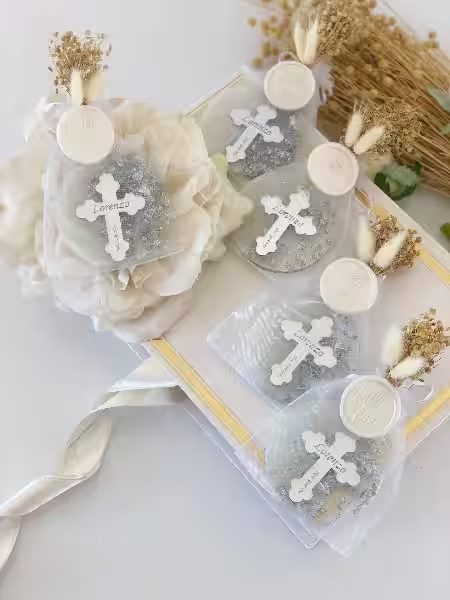
The journey of faith, for many, is a deeply personal and often sacred path. While grand ceremonies can be beautiful, there are moments within this spiritual exploration that call for intimacy, quiet reflection, and a more private baptism. This isn’t about exclusion; rather, it’s about creating a space where the profound act of welcoming an individual into a religious community can be experienced with focused devotion and profound meaning. Whether you’re considering a private baptism for yourself, your child, or a loved one, understanding its nuances, benefits, and how it aligns with various religious traditions is crucial.
We will delve into the reasons why a private baptism might be the right choice, explore how it’s accommodated within different faiths, and offer practical advice for planning such a deeply meaningful event. This article aims to be a comprehensive guide, providing the clarity and comfort you need as you navigate this significant spiritual milestone.
Why Choose a Private Baptism? Exploring the Personal Motivations
The decision to opt for a private baptism often stems from a desire for a more intimate and less overwhelming experience. For some, the thought of a large public gathering can be daunting, especially when the focus should be on the spiritual significance of the rite. A smaller setting allows for a deeper connection with the officiant and the immediate family or chosen godparents, fostering a sense of profound personal commitment and spiritual encounter.
The reasons behind choosing a private baptism are as diverse as the individuals undertaking this sacred step. For parents, it might be about shielding their newborn from the potential stresses of a crowded church, allowing them to focus on the blessings and prayers directed at their child. Adults seeking baptism may find a private baptism offers a less intimidating environment to articulate their faith and commitment without the pressure of a large audience. Consider the analogy of a wedding: while some dream of a grand cathedral, others cherish the intimacy of a courthouse ceremony followed by a small, heartfelt reception. The essence of commitment remains the same, but the expression is uniquely tailored.
Intimacy and Focus: Deepening the Spiritual Connection
At its core, a private baptism offers an unparalleled opportunity for intimacy and focus. In a more secluded setting, the words spoken, the prayers offered, and the symbolic immersion or anointing can resonate more deeply. This allows for a more profound personal connection to the divine and to the core tenets of the faith being embraced. The absence of distractions, whether they be from a large congregation or the general hustle and bustle of a busy day, permits participants to fully absorb the spiritual weight of the occasion.
Imagine the difference between attending a large concert with thousands of people versus a small, acoustic performance in an intimate venue. While both offer music, the latter often allows for a more direct and personal connection with the artist and the art. Similarly, a private baptism cultivates an environment where the sacredness of the moment can be fully apprehended, fostering a deeper spiritual connection that can last a lifetime. This focused attention ensures that the vows exchanged and the blessings bestowed are not just heard, but truly felt and understood.
Accommodating Circumstances: Health, Distance, and Personal Comfort
Life circumstances can also play a significant role in the choice of a private baptism. For individuals with health concerns, whether it be the child being baptized or the parents and godparents, a private baptism provides a controlled and comfortable environment. Similarly, if key family members or godparents are geographically distant or have significant travel limitations, a more localized and private ceremony can be arranged, ensuring their presence and participation in this important rite.
Furthermore, personal comfort is a valid and important consideration. Some individuals are inherently more introverted or simply prefer to keep significant life events within their immediate circle. A private baptism respects this preference, allowing the sacred ritual to unfold in a way that feels secure and deeply personal. Consider a situation where a grandparent is frail and unable to travel to a large church service; a private baptism at home or a smaller chapel allows them to witness and bless this new chapter in their grandchild’s spiritual journey without undue strain. This accommodation of circumstances ensures that the spiritual milestone is accessible and meaningful to all who are central to the individual’s life.
Navigating Religious Traditions: How Different Faiths Embrace Private Baptism
The concept of a private baptism is not foreign to many religious traditions, though the specific terminology and practices may vary. While traditional public ceremonies are common, most faiths recognize the importance of accommodating individual needs and spiritual journeys, making private baptism a viable and often cherished option. Understanding how your specific faith tradition views and facilitates these more intimate ceremonies is key to planning.
Different denominations approach the private baptism with varying degrees of formality and theological emphasis. However, the underlying principle is often the same: to facilitate the sacrament in a way that honors its sanctity and the individual’s commitment. This often involves ensuring that the essential elements of the rite, such as the invocation of the Trinity and the use of water, are present, regardless of the setting.
Christianity: Infant and Believer’s Baptism in Private Settings
Within Christianity, both infant baptism and believer’s baptism can be accommodated in a private baptism setting. For infant baptism, parents may choose a private ceremony to ensure a calm and focused environment for their child and to have close family and godparents present. This allows for a more personal exchange of vows and promises regarding the child’s spiritual upbringing. The essential elements of pouring or sprinkling water and the Trinitarian formula remain central, but they are performed in a more intimate space, perhaps a home chapel, a quiet corner of the church, or even a designated room within a hospital if necessary.
For believer’s baptism, where individuals make their own profession of faith, a private baptism can offer a less intimidating space to express their commitment. This might be particularly relevant for individuals who have come to faith later in life or who are hesitant about public declarations. The focus is on the personal declaration of faith and the regenerative power of the sacrament, which can be powerfully experienced in a private baptism setting. For instance, a pastor might conduct a private baptism for a convert in their study, allowing for a deep conversation about faith and a focused prayer of commitment before the sacramental act itself.
Other Faiths: Exploring Similar Rites and Adaptations
While the term “baptism” is primarily Christian, other religious traditions have rites of passage that share similar themes of purification, commitment, and community integration. Some of these can be adapted for a more private observance. For example, in some branches of Judaism, the brit milah (circumcision) for boys and the simchat bat (naming ceremony) for girls are significant events that are often celebrated with family and close friends. While not a “baptism,” the desire for a more intimate ceremony focused on spiritual commitment and community acceptance can lead to a more private observance of these traditions.
Similarly, in Hinduism, various samskaras (sacraments) mark significant life stages. While many are celebrated publicly, there are instances where elements of purification and blessing might be observed in a more private setting, especially for specific family needs or spiritual inclinations. The core principle of seeking divine grace and marking a transition remains, allowing for private baptism-like experiences that are deeply meaningful within their own religious context, emphasizing personal devotion and familial blessings.
Planning Your Private Baptism: Practical Steps for a Meaningful Ceremony
Organizing a private baptism requires thoughtful planning to ensure the ceremony is both spiritually fulfilling and logistically smooth. The key is to communicate your desires clearly with your religious leader and to embrace the flexibility that a private setting offers. This personalized approach allows for a ceremony that truly reflects your faith and your personal journey.
The initial step in planning a private baptism involves connecting with your church or religious community. Discuss your reasons for wanting a private ceremony with the clergy. They can guide you through the specific requirements of your denomination and help you understand what elements of the rite are considered essential. This conversation is crucial for ensuring that the ceremony is conducted in accordance with religious doctrine while still being tailored to your needs.
Choosing the Right Setting and Officiant
The setting for a private baptism can be as varied as your preferences and circumstances. Many choose to hold the ceremony in their own home, which can offer a sense of comfort and familiarity. Other options include a quiet chapel within the church, a serene outdoor location if weather permits and is appropriate for your faith, or even a hospital room for those unable to leave due to health reasons. The key is to select a place that feels sacred and conducive to reflection.
Selecting the right officiant is equally important. This will usually be your regular pastor, priest, minister, or religious leader. However, if you have a particular relationship with another clergy member who is familiar with your faith journey, they might also be able to officiate, with the approval of your primary religious institution. Open communication about your expectations and any specific readings or prayers you wish to include will help ensure the officiant can deliver a personalized and meaningful service. The choice of setting and officiant are foundational to a successful private baptism.
Communicating with Guests and Preparing for the Day
Even in a private setting, you will likely want to invite a select group of guests – typically immediate family and godparents. It’s important to clearly communicate the nature of the ceremony with them. Explain that it will be a more intimate event and provide details about the date, time, and location. This helps manage expectations and ensures everyone feels prepared and understands the solemnity of the occasion.
Preparation for the day itself involves both practical and spiritual aspects. Ensure you understand the symbolic elements of the baptism and what they represent. Have any necessary items ready, such as a clean white garment for the person being baptized, a small towel, and any specific oils or water if required by your tradition. Most importantly, approach the day with a spirit of reverence and gratitude, allowing the private baptism to be a truly transformative experience. This preparation for the day will allow the sacred moment to unfold beautifully.
In concluding, the decision to have a private baptism is a deeply personal one, rooted in a desire for intimacy, focus, and accommodation. Whether driven by health, distance, personal comfort, or simply a yearning for a more profound spiritual encounter, this sacred rite can be beautifully and meaningfully observed within various religious traditions. By understanding the motivations, exploring how different faiths embrace this practice, and planning with care, you can ensure that your private baptism is a powerful and lasting testament to faith and commitment.
Frequently Asked Questions About Private Baptisms
What is a private baptism?
A private baptism is a baptism ceremony held at a time and location chosen by the family, rather than during a regularly scheduled public service. This allows for a more intimate and personalized experience.
Can I have a private baptism for my child?
Yes, families can typically arrange for a private baptism for their infant or young child. This is a common practice and offers a more comfortable setting for very young children and their families.
Can adults have private baptisms?
Absolutely. Adults who wish to be baptized can also have a private ceremony. This can be particularly meaningful for individuals who are joining a faith later in life or wish for a deeply personal experience.
What denominations offer private baptisms?
Many Christian denominations offer private baptisms as an option. This includes, but is not limited to, Catholic, Baptist, Methodist, Lutheran, Presbyterian, and Anglican traditions. It is always best to confirm with your specific church or clergy.
What is the religious significance of baptism?
Baptism is a sacrament in many Christian traditions, signifying cleansing from sin, initiation into the Christian Church, and a spiritual rebirth. It is a public declaration of faith and commitment to Christ.
What are the requirements for a private baptism?
Requirements can vary by denomination and individual church. Generally, you will need to contact your local church or clergy to discuss your request. They will outline any preparatory steps, such as pre-baptismal classes or discussions, and assist in scheduling.
Can I choose the date and time for a private baptism?
In most cases, yes. The benefit of a private baptism is the flexibility to arrange a time and date that works best for your family and the availability of the clergy and church facilities.
What should I expect during a private baptism ceremony?
The ceremony typically includes prayers, scripture readings, the baptismal vow (or promises), the act of baptizing with water, and a blessing. The specific order and elements can be discussed with the officiating minister to personalize it further.
Are there any costs associated with a private baptism?
Some churches may request a donation or have a small fee to cover associated costs like the use of facilities or special arrangements. This is usually nominal and is intended to support the church’s ministry. It’s advisable to inquire about any potential costs when you contact the church.