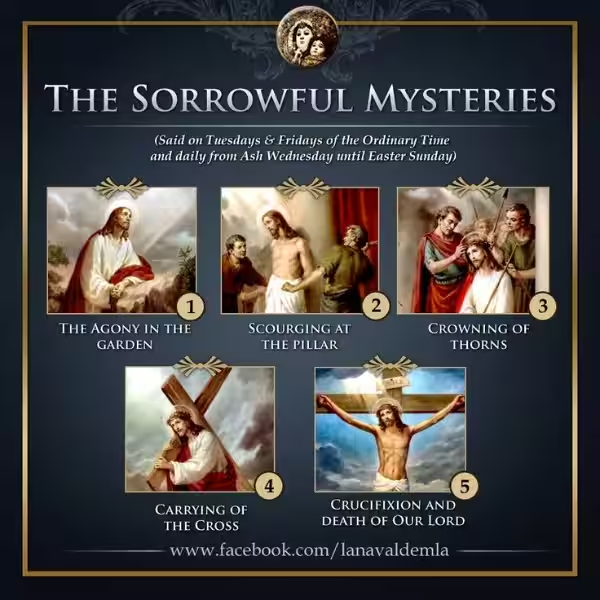
The Rosary, a cornerstone of Catholic devotion, offers a profound pathway to spiritual reflection, particularly through its sequences of mysteries. Among these, the Sorrowful Mysteries hold a unique and often challenging place. They invite us to walk with Christ through His passion, a journey marked by profound suffering, sacrifice, and ultimately, redemption. These meditations are not about dwelling in despair, but about understanding the depth of God’s love, the reality of human pain, and the promise of hope that emerges from the crucible of sorrow. Engaging with the Sorrowful Mysteries offers a powerful lens through which to examine our own experiences of grief, loss, and hardship, finding solace and strength within the embrace of our faith.
These reflections are more than a rote recitation; they are an invitation to contemplate the suffering Christ endured for humanity. Each mystery unfolds a scene from the final hours of Jesus’ earthly life, from His agony in the garden to His crucifixion. By meditating on these events, we are drawn into a deeper understanding of sacrifice, obedience, and the immense love that motivated Christ’s journey to the cross. This contemplative practice can be a powerful tool for personal growth, helping us to process our own sorrows with a renewed sense of perspective and faith.
The Agony in the Garden: Where Our Own Anguish Meets Divine Compassion
The first Sorrowful Mystery, the Agony in the Garden, is perhaps the most relatable entry point into this difficult but transformative prayer. Imagine Jesus, moments before His arrest, grappling with the immense weight of the world’s sins and the suffering that lay ahead. He prays, “Father, if you are willing, take this cup away from me; yet not my will, but yours be done” (Luke 22:42). This prayer echoes the deep human desire to avoid pain, a feeling we all understand when facing overwhelming challenges or heart-wrenching news. Here, in the silent, olive-shaded garden, we see Christ’s vulnerability, His very human struggle against fear and doubt, yet His ultimate surrender to divine purpose.
This mystery offers a powerful mirror to our own moments of deep distress. When we find ourselves in situations that feel unbearable, grappling with illness, loss, or profound disappointment, we can turn to this scene. Jesus’ anguish in Gethsemane doesn’t negate His divinity; it underscores His full humanity and His profound empathy for our own struggles. Reflecting on His prayer, we are encouraged to voice our own fears and sorrows to God, trusting that He hears us and, like Jesus, can help us to find the strength to ultimately say, “Thy will be done.” This is not an easy surrender, but a learned trust that even in the darkest moments, a greater plan is at play.
The Scourging at the Pillar: Bearing the Marks of Our Own Pain
The second Sorrowful Mystery, the Scourging at the Pillar, presents a brutal image of physical suffering. Christ is beaten relentlessly, His body torn and bruised. This mystery confronts us with the harsh realities of violence and injustice, both in Christ’s time and in our own. It is a stark reminder of the suffering that continues to plague the world, and it invites us to contemplate the innocent bearing the weight of guilt. When we experience physical pain, emotional abuse, or witness the suffering of others, this mystery provides a focal point for our prayers.
This reflection can be particularly challenging, as it forces us to confront the physical manifestation of sorrow. However, within this brutal depiction lies a profound message of solidarity. Christ’s suffering is not a distant event; it is a suffering He endured for us, and it connects Him intimately to every act of suffering we experience. Reflecting on the scourging, we can offer our own pains, our own “wounds,” to Christ, knowing that He understands them intimately. This is a moment of profound communion, where our personal hurts are brought before the divine healer, finding an echo in His own passion. It is about transforming endured pain into a source of spiritual strength.
The Crowning with Thorns: Confronting Humiliation and Mockery
Moving to the third Sorrowful Mystery, the Crowning with Thorns, we witness Christ being subjected to mockery and humiliation. The soldiers, in their derision, press a crown of thorns onto His head, a symbol of royalty twisted into an instrument of pain and ridicule. This mystery speaks to the times we have felt degraded, misunderstood, or unjustly treated. It acknowledges the sting of public shame, the pain of being mocked for our beliefs or our actions, and the deep hurt that comes from being belittled.
This scene is a powerful reminder that suffering can often come disguised as ridicule and contempt. When we face situations where our dignity is challenged, our intentions are questioned, or we are made to feel small and insignificant, we can draw strength from Christ’s experience. He, the King of Kings, endured this ignominy with silent grace. His response teaches us a profound lesson in resilience and inner fortitude. By reflecting on the crowning with thorns, we learn to face our own humiliations not with bitterness, but with the quiet dignity of one who is loved and valued beyond earthly opinions. This mystery encourages us to find our true worth in God’s eyes, not in the fleeting judgments of others.
The Carrying of the Cross: The Weight of Our Own Burdens and the Path Forward
The fourth Sorrowful Mystery, the Carrying of the Cross, depicts Jesus, already weakened from the scourging, forced to bear the heavy timber of His cross through the streets of Jerusalem. This is a visceral image of arduous struggle and immense physical exertion. It speaks to the moments in our lives when we feel overburdened, carrying responsibilities that seem too heavy to bear, or facing a long and difficult journey towards a goal. The sheer effort and pain involved in this act resonate deeply with anyone who has faced a protracted period of hardship.
This mystery is a profound meditation on the weight of our own crosses. We all have burdens to carry, be they personal struggles, family obligations, or societal challenges. Christ’s journey to Golgotha reminds us that this path is not meant to be walked alone. He takes on the ultimate burden, and in doing so, sanctifies our own struggles. When we feel overwhelmed, we can visualize Christ’s weary steps, knowing that He understands the exhaustion and the pain. His journey, though agonizing, was a necessary progression towards redemption, and in this, lies our hope. We are encouraged to offer our own burdens to Him, trusting that He will help us to carry them, or provide the strength to persevere. This is not an invitation to seek out suffering, but to find grace in enduring it.
The Crucifixion: Love’s Ultimate Sacrifice and the Dawn of Hope
The final Sorrowful Mystery, the Crucifixion, is the culmination of Christ’s passion. It is a scene of ultimate sacrifice, profound suffering, and unwavering love. Nailed to the cross, Jesus endures the agonizing moments of His death, offering His life for the salvation of humanity. This is the most poignant and powerful of the Sorrowful Mysteries, a testament to the depth of God’s love. It confronts us with the raw reality of death and loss, but it also holds within it the promise of resurrection and eternal life.
The Crucifixion is the ultimate expression of agape love, a selfless love that gives everything. When we face the loss of loved ones, the death of dreams, or moments of profound grief that feel like a death of a part of ourselves, this mystery offers solace. Christ’s death on the cross is not an end, but a gateway. It is from this apparent defeat that the greatest victory, the resurrection, emerges. Reflecting on the Crucifixion, we are reminded that even in our darkest moments of sorrow, there is always the potential for new life and renewed hope. It is a profound affirmation of faith, knowing that the love that conquered death is ever-present, guiding us through our own trials and leading us towards the light. This mystery teaches us that sorrow can pave the way for ultimate joy.
The Sorrowful Mysteries are one of the four sets of meditations used when praying the Rosary. They focus on the suffering and Passion of Jesus Christ.
How many Sorrowful Mysteries are there?
There are five Sorrowful Mysteries:
1. The Agony in the Garden
2. The Scourging at the Pillar
3. The Crowning with Thorns
4. The Carrying of the Cross
5. The Crucifixion and Death of Jesus
When are the Sorrowful Mysteries prayed?
The Sorrowful Mysteries are traditionally prayed on Fridays and Sundays during Lent.
What is the purpose of meditating on the Sorrowful Mysteries?
Meditating on the Sorrowful Mysteries helps believers to contemplate Christ’s sacrifice, to understand the depth of His love, and to grow in empathy and compassion for His suffering. It encourages reflection on personal sin and the importance of repentance.
How do I reflect on the Sorrowful Mysteries?
During the recitation of the Hail Mary for each bead of the Rosary, one meditates on the specific event of that Mystery. This involves imagining the scene, considering the emotions involved, and applying the lessons learned to one’s own life and faith.
Are the Sorrowful Mysteries only for Catholics?
While the Sorrowful Mysteries are a central part of Catholic devotion, the meditations on Jesus’ suffering and sacrifice can be a source of spiritual reflection for Christians of other denominations as well, fostering a deeper understanding of the Gospel.