The Sacrament of Reconciliation, commonly known as confession, is a cornerstone of many Christian traditions, offering a profound path to spiritual healing and renewed connection with God. For many, the prospect of approaching the confessional can evoke a mixture of apprehension and hope. Understanding what do you say at confession isn’t about memorizing a script, but rather about approaching this sacred encounter with honesty, humility, and a sincere desire for grace. It’s a conversation, a dialogue of the soul, where we bring our struggles, our failings, and our yearning for forgiveness to a compassionate mediator.
This article aims to demystify the process and provide practical guidance for anyone seeking to engage meaningfully in this sacrament. Whether you are a seasoned participant or someone contemplating confession for the first time, you’ll find insights into the preparation, the actual words exchanged, and the transformative power that awaits. We will explore the essence of what it means to confess, moving beyond a simple recital of sins to a deeper understanding of repentance and the profound mercy offered.
At its core, confession is about reconciliation. It’s the recognition that we, as human beings, are imperfect and prone to sin. Sin, in a religious context, is not just about breaking rules; it’s about falling short of God’s love and will for us, damaging our relationship with Him, and with others. The sacrament is a divinely appointed means through which we can acknowledge these failings, receive forgiveness, and be restored to spiritual health. It’s a powerful antidote to guilt and a powerful source of renewed hope and strength.
Think of it like visiting a doctor when you’re ill. You wouldn’t hesitate to describe your symptoms, even the embarrassing ones, to get the right diagnosis and treatment. Confession is similar; it’s the spiritual equivalent of seeking healing. We bring our spiritual ailments – our sins – to God through the priest, who acts in persona Christi (in the person of Christ). This isn’t about confessing to another human being in a worldly sense, but about confessing to God, with the priest as His instrument of mercy and absolution. It’s about healing the soul.
Preparing Your Heart for Confession
A crucial element before asking yourself what do you say at confession is the preparation of your heart. This involves an examination of conscience, a prayerful reflection on your actions, thoughts, and omissions since your last confession. It’s not about dwelling on past mistakes with shame, but about honestly identifying where you have strayed from God’s path. Resources like the Ten Commandments, the Beatitudes, or specific examination of conscience guides can be invaluable tools in this process. The goal is to come to a clear understanding of your spiritual state, not to create an exhaustive list of every minor infraction, but to identify patterns of sin and areas needing significant attention.
This preparation is an act of love and humility. It demonstrates your desire to grow in holiness and to live a life that is pleasing to God. You might consider praying for the Holy Spirit’s guidance to illuminate your conscience. As you reflect, try to be specific about the nature of your sins and the circumstances surrounding them. For instance, instead of just saying “I was angry,” you might reflect on why you were angry, what you said or did because of that anger, and who was affected. This level of detail helps in understanding the root causes of your struggles and aids in the reception of graces for amendment of life. Remember, preparation is key to a fruitful confession.
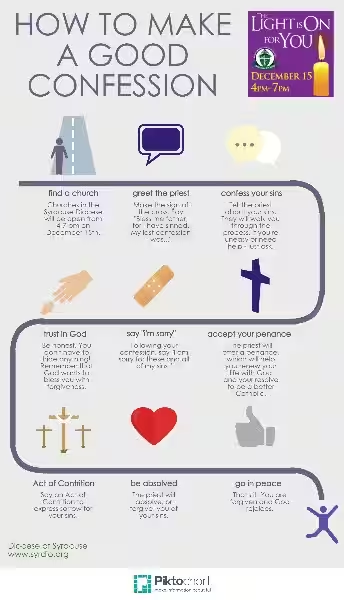
When you enter the confessional, there’s a general flow to the conversation, but it’s not rigid. You typically begin by greeting the priest and stating your intention. A common way to start is by saying, “Bless me, Father, for I have sinned.” This simple phrase immediately sets the context for the sacrament. Following this, you would then state how long it has been since your last confession, for example, “It has been [number] weeks/months/years since my last confession.” This helps the priest understand your spiritual journey and can inform his counsel. This initial exchange is about establishing the sacred space for dialogue.
The core of what do you say at confession involves recounting your sins. Be honest and direct, but also humble. You don’t need to go into excessive detail that might be embarrassing or unnecessary. The priest is not there to judge you, but to offer God’s mercy. He has heard countless confessions and understands the human condition. After you have confessed your sins, the priest will likely offer some words of encouragement, counsel, or a specific penance. He may ask clarifying questions to help you understand the gravity of your actions or to guide you in avoiding future sin. This part of the confession is about guidance and understanding.
Specific Phrases and Their Meaning
Beyond the initial greeting, understanding some common phrases can ease your anxiety. When confessing, you can simply state the sin, such as, “I have lied,” or “I have been impatient.” If you struggle to remember specific sins, you can say, “I have a general confession to make.” It’s also helpful to mention any sins that you have confessed before but continue to struggle with. For example, you might say, “I confess that I have struggled with gossip, and I find myself falling into it again.” This honesty about ongoing battles is very real and relatable.
After you have finished listing your sins, the priest will offer absolution. This is the formal declaration of God’s forgiveness. You will then be asked to respond, often with an “Amen” or “Thank you, Father.” Following absolution, the priest will assign a penance. This is usually a prayer or a good deed to be performed as a sign of your repentance and a way to make amends. Common penances include reciting specific prayers like the Our Father or the Hail Mary a certain number of times, or performing an act of charity. The final part of what do you say at confession involves accepting your penance with a willing heart. You might respond, “I accept this penance and will do my best to fulfill it.” This commitment to amendment of life is a vital part of the sacrament.
Common Sins to Consider in Your Examination
When preparing for confession and considering what do you say at confession, it can be helpful to reflect on common categories of sin. These are not exhaustive, but they can serve as prompts for your own examination of conscience. Many traditions categorize sins into the seven deadly sins, which are pride, greed, lust, envy, gluttony, wrath, and sloth. However, thinking more broadly about your relationships can be equally fruitful.
Consider your duties towards God, such as prayer, worship, and respecting His name. Have you been neglecting your spiritual life? Then, think about your duties towards yourself, such as caring for your physical and mental health, and avoiding harmful habits. Lastly, and perhaps most extensively, consider your duties towards your neighbor. This includes honesty, kindness, forgiveness, and respecting others’ property and reputation. Have you been judgmental? Have you gossiped? Have you failed to help someone in need? Reflecting on these areas can bring to light sins you might otherwise overlook. Honest self-reflection is the foundation of a good confession.
Examples of How to Phrase Your Sins
Let’s make this even more practical. Instead of just feeling a general sense of guilt, let’s look at concrete examples of what do you say at confession. If you’ve been struggling with honesty, you might say: “I confess that I have told lies to avoid getting in trouble,” or “I have exaggerated the truth to make myself look better.” If impatience is an issue, you could say: “I have been very short-tempered with my family,” or “I have spoken harshly to people who have annoyed me.” These are relatable, everyday struggles that many people face.
For sins related to your spiritual life, you might say: “I have missed Mass on Sundays,” or “I have not prayed regularly,” or “I have taken God’s name in vain.” If you’re concerned about your use of technology, you might confess: “I have spent too much time on social media and neglected my responsibilities,” or “I have looked at inappropriate content online.” The key is to be specific and sincere. The priest is not looking for perfect phrasing, but for a heartfelt acknowledgment of where you have fallen short and a desire to do better. Clarity and sincerity are more important than eloquence.
The Priest’s Role and What to Expect
It’s important to remember that the priest in the confessional is a confidant and a guide, not a prosecutor. His role is to help you experience God’s boundless mercy and to offer you the spiritual tools you need to grow. He is bound by the seal of confession, meaning he cannot reveal anything you say to anyone, ever. This absolute confidentiality is a sacred trust. His questions are usually aimed at helping you understand the nature and gravity of your sins, and to encourage you towards a genuine change of heart.
You can expect the priest to listen attentively, to offer words of comfort and encouragement, and to guide you through the process. He may share insights from scripture or offer practical advice for overcoming particular temptations. Don’t be afraid to ask for clarification if you don’t understand something he says, or if you need help articulating your struggles. The sacrament is for your spiritual benefit, and the priest is there to facilitate that. Think of him as a spiritual physician, expertly diagnosing and prescribing the remedies for your soul.
After Confession: Living Out Your Penance and Grace
Once you have received absolution and your penance, the work of confession doesn’t end. Fulfilling your penance is an important part of the sacrament, signifying your commitment to making amends and continuing on the path of righteousness. It’s an act of spiritual discipline that helps solidify the graces received. Beyond the assigned penance, the true fruit of confession lies in your efforts to amend your life. This means consciously striving to avoid the sins you confessed and to cultivate the virtues that oppose them.
The grace of confession empowers you to make these changes. It strengthens your will, renews your spirit, and deepens your relationship with God. Don’t be discouraged if you find yourself struggling with the same sins again. The journey of faith is often a process of falling and getting back up. The important thing is to continue to turn to the Sacrament of Reconciliation with a contrite heart. Each confession offers a fresh start and a renewed outpouring of God’s love. Remember the profound gift of God’s unwavering mercy and continue to embrace it in your life.
Frequently Asked Questions about Confession
What do you say at confession?
You begin by greeting the priest, for example, “Bless me, Father, for I have sinned.” Then you state how long it has been since your last confession. Next, you confess your sins, either by listing them generally or by specifying them. After you have confessed your sins, you can also share any struggles or temptations you are facing. The priest will then offer you advice and assign a penance.
What is confession?
Confession, also known as the Sacrament of Reconciliation or Penance, is a sacrament in the Catholic Church and some other Christian denominations. It is a process through which individuals can confess their sins to a priest, receive absolution (forgiveness of sins), and be reconciled with God and the Church.
When should I go to confession?
Catholics are obligated to confess their grave (mortal) sins at least once a year. However, it is spiritually beneficial to go to confession more frequently, even for venial (lesser) sins, to grow in virtue and deepen one’s relationship with God. Many people find attending confession regularly, perhaps monthly or before important liturgical seasons like Advent and Lent, to be helpful for their spiritual life.
What are mortal sins and venial sins?
Mortal sins are grave offenses against God’s law that destroy charity in the heart of the person and turn them away from God. For a sin to be mortal, it must involve grave matter, be committed with full knowledge, and be deliberately consented to. Venial sins are less serious offenses that wound but do not destroy our relationship with God. They weaken our charity and make us more susceptible to mortal sin.
What happens after confession?
After confessing your sins and receiving absolution from the priest, you will be assigned a penance. This penance is usually a prayer or an act of charity that helps to make reparation for your sins and to grow in spiritual strength. It is important to complete your penance as assigned. Following confession, you should strive to live a life free from sin and to grow in holiness.