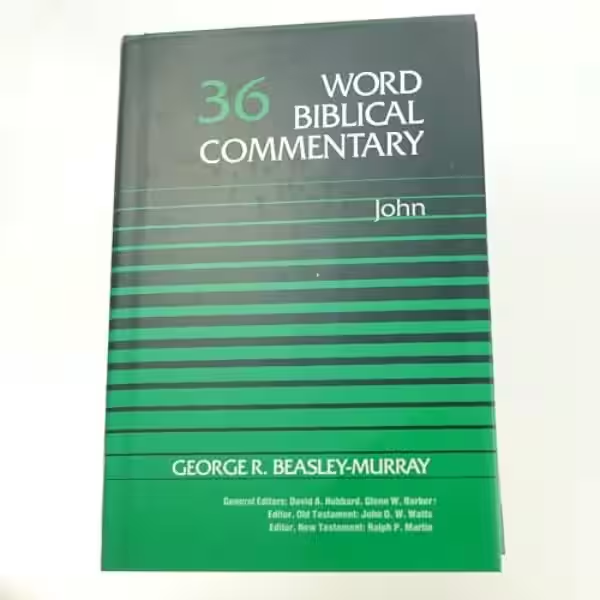
The Bible, the bedrock of our faith, is a treasure trove of divine revelation, a tapestry woven with stories, laws, prophecies, and profound wisdom. For Catholics, understanding this sacred text is not merely an academic pursuit; it’s a lifelong journey of deepening our relationship with God and discerning His will for our lives. Yet, the Bible, with its ancient languages, historical contexts, and rich theological layers, can often present a significant challenge for the layperson. This is where Catholic Bible commentary books become invaluable companions, offering guidance, clarity, and a pathway to a more profound encounter with Scripture.
These commentaries are more than just academic analyses; they are bridges connecting us to the Church’s living tradition and the insights of countless scholars and saints who have pondered God’s word throughout the ages. Whether you’re a seasoned reader of Scripture or just beginning to explore its depths, the right Catholic Bible commentary book can illuminate passages that once seemed obscure, reveal hidden meanings, and inspire a richer prayer life. They serve as trusted guides, helping us to interpret the Word of God in a way that is faithful to Catholic teaching and accessible to our hearts and minds.
The desire to understand the Bible is as old as the Church itself. From the earliest Christians to modern-day believers, people have sought to grasp the full import of God’s message. However, the Bible is not a simple novel to be skimmed. It’s a collection of divinely inspired books written over millennia, in different cultures, and with diverse literary styles. Without proper tools, it’s easy to misunderstand, misinterpret, or even fall prey to heretical interpretations that deviate from the fullness of Catholic truth. This is precisely why engaging with Catholic Bible commentary books is so crucial for the faithful.
Think of it like this: imagine receiving a complex blueprint for building a magnificent cathedral. While you can see the overall shape, the intricate details, the specific materials, and the precise engineering required to make it stand strong and beautiful for centuries might be beyond your immediate understanding. A skilled architect, or in this case, an expert commentator, can walk you through the blueprint, explaining each line, symbol, and measurement, ensuring that the construction aligns with the original vision and structural integrity. Catholic Bible commentary books serve as our theological architects, helping us to build a robust understanding of Scripture.
Unlocking Deeper Meaning and Context
One of the primary benefits of Catholic Bible commentary books is their ability to provide essential historical and cultural context. The stories and teachings within the Bible unfolded in specific times and places, and understanding these settings significantly enhances our comprehension. For instance, grasping the socio-political climate of ancient Israel when reading the prophets, or the Roman Empire’s influence when examining the New Testament epistles, unlocks layers of meaning that might otherwise remain hidden. A good commentary will often dedicate sections to explaining these contexts, making the text come alive with relatable details.
Furthermore, these commentaries delve into the literary genres of Scripture. The Bible isn’t solely composed of historical narratives; it also includes poetry, wisdom literature, parables, apocalyptic visions, and letters. Recognizing whether a passage is a literal account, a symbolic allegory, or a poetic expression helps us avoid misinterpreting its message. For example, understanding that the Book of Revelation employs highly symbolic language, common in apocalyptic literature, prevents us from taking its imagery in a purely literalistic way. Catholic Bible commentary books are adept at identifying and explaining these genre conventions.
Maintaining Doctrinal Fidelity
Perhaps the most vital role of Catholic Bible commentary books is their commitment to doctrinal fidelity. The Catholic Church, guided by the Holy Spirit, has a rich and consistent tradition of interpreting Scripture. Commentaries written by Catholic scholars are rooted in this tradition, ensuring that their explanations align with the teachings of the Magisterium – the teaching authority of the Church. This provides a safeguard against interpretations that might contradict established Catholic doctrine, such as the nature of Christ, the sacraments, or the role of Mary. When you pick up a Catholic Bible commentary book, you are engaging with an interpretation that has been vetted by the Church.
This emphasis on fidelity is not about stifling personal reflection; rather, it’s about grounding our understanding in the collective wisdom of the Church. It ensures that our personal insights remain within the bounds of orthodox belief, fostering a unified and coherent faith. For instance, when exploring the Eucharist, a Catholic Bible commentary book will not only discuss Jesus’ words at the Last Supper but also connect them to the Church’s understanding of the Real Presence, a core tenet of Catholic faith. This harmonious interplay between Scripture and tradition is a hallmark of Catholic biblical study.
The landscape of Catholic Bible commentary books is vast and varied, catering to different needs and levels of engagement. Whether you’re looking for a comprehensive, scholarly approach or a more accessible, devotional guide, there’s likely a commentary perfect for you. Understanding the different types can help you make a more informed choice for your personal study.
Consider the spectrum of commentaries available, from multi-volume, in-depth scholarly works to single-volume introductions designed for the everyday reader. Each serves a distinct purpose, offering a unique lens through which to view the sacred text. The key is to find the commentary that best suits your current stage of faith and your desire for understanding.
Comprehensive Scholarly Commentaries
For those seeking an in-depth, academic exploration of Scripture, comprehensive scholarly commentaries are the ideal choice. These works are often written by teams of respected Catholic biblical scholars and delve deeply into the original languages, textual criticism, historical backgrounds, and theological nuances of each book of the Bible. They are indispensable resources for priests, theology students, and dedicated lay scholars.
These commentaries typically offer verse-by-verse or section-by-section analysis, providing detailed explanations of difficult passages, exploring various interpretive traditions, and engaging with contemporary scholarship. For example, a scholarly commentary on Isaiah might meticulously examine the Hebrew text, discuss different historical periods of its composition, and explore its Messianic prophecies in light of Christ. While they can be dense, the insights gained from these Catholic Bible commentary books are unparalleled for serious study.
Accessible One-Volume Introductions
On the other end of the spectrum are accessible one-volume introductions, which are perfect for the average Catholic seeking to deepen their understanding without a seminary-level commitment. These Catholic Bible commentary books often provide an overview of each biblical book, highlighting its main themes, historical context, and theological significance in a clear and engaging manner. They are designed to be user-friendly and inspiring for personal prayer and reflection.
These commentaries often include helpful features like timelines, maps, summaries of key figures, and explanations of common biblical terms. For instance, a one-volume commentary might offer a concise overview of the Gospels, explaining the unique perspective of each evangelist, the significance of Jesus’ parables, and the events of His passion, death, and resurrection in a way that is easy to digest. They strike a balance between theological depth and practical accessibility.
Devotional and Thematic Commentaries
Beyond comprehensive and introductory works, there are also Catholic Bible commentary books that focus on a devotional or thematic approach. These commentaries often aim to connect the reader more directly with God through Scripture, emphasizing prayerful meditation and application to daily life. They might focus on a specific theme, such as the sacraments, the virtues, or the life of Christ, drawing insights from various biblical passages.
These types of commentaries are excellent for fostering a deeper personal relationship with God. For example, a devotional commentary on the Psalms might not only explain the historical context of each psalm but also offer reflections and prayers that help the reader connect with the emotions and spiritual truths expressed, encouraging personal prayer and spiritual growth. They transform biblical study into a spiritual encounter.
How to Choose the Right Catholic Bible Commentary Book
With such a wide array of Catholic Bible commentary books available, selecting the right one for your needs can feel like a daunting task. The best approach is to consider your current level of biblical knowledge, your specific interests, and how you intend to use the commentary. Don’t hesitate to do a little research before making a purchase.
Think about what you hope to gain from the commentary. Are you looking to understand a particular book of the Bible more deeply? Are you interested in a specific theological topic? Or are you simply seeking a more prayerful engagement with Scripture? Answering these questions will guide you toward the most suitable resource.
Consider Your Current Level of Understanding
It’s crucial to be honest about your current familiarity with the Bible. If you are a beginner, starting with a dense, scholarly commentary might be overwhelming. Conversely, if you have a strong foundation in biblical studies, a more introductory commentary might not offer sufficient depth. Catholic Bible commentary books are designed for a range of readers, so find one that matches your current knowledge base.
Imagine you’re learning to cook. You wouldn’t start with a Michelin-star recipe book if you’ve only ever boiled water. You’d begin with simple recipes that build your confidence and skills. Similarly, choose a commentary that gently guides you, building your understanding step by step. For newcomers, a single-volume introduction or a commentary series focused on the layman is often a good starting point.
Identify Your Specific Interests or Needs
Do you have a particular biblical book, theme, or question that you’re eager to explore? Perhaps you’re drawn to the wisdom of the Old Testament prophets, the teachings of Jesus in the Gospels, or the theological insights of St. Paul. Many Catholic Bible commentary books are dedicated to specific books or themes, allowing you to dive deep into areas that resonate with you.
For instance, if you find yourself consistently pondering the meaning of the Eucharist, seeking out a commentary that specifically addresses the Last Supper narratives and their theological implications can be incredibly fruitful. Or, if you are drawn to the lives of the saints, a commentary that explores the biblical figures who inspired devotion might be ideal. Identifying your interests will lead you to the most rewarding resources.
Read Reviews and Seek Recommendations
Before investing in a Catholic Bible commentary book, take advantage of the wealth of information available online. Read reviews from other readers and scholars to get a sense of the commentary’s strengths, weaknesses, and overall accessibility. Don’t underestimate the power of personal recommendations; ask your pastor, a Bible study leader, or fellow parishioners for their favorite and most helpful commentaries.
Often, trusted sources can point you to gems you might otherwise overlook. A seasoned Bible study leader, for example, might recommend a particular commentary that has consistently enriched their group’s discussions. These personal endorsements can be invaluable in navigating the vast world of Catholic Bible commentary books.
Making the Most of Your Catholic Bible Commentary
Owning a Catholic Bible commentary book is only the first step; the real benefit comes from actively engaging with its content. These resources are meant to be tools for prayer, reflection, and deeper understanding, not just to gather dust on a shelf. The more you interact with your commentary, the richer your biblical journey will become.
Think of your commentary as a conversation partner. It offers insights and perspectives, but it also invites you to respond with your own thoughts, questions, and prayers. The goal is not just to absorb information but to allow God’s Word, illuminated by the commentary, to transform your heart and mind.
Integrate Commentary with Prayerful Reading
The most effective way to use Catholic Bible commentary books is to integrate them with your prayerful reading of Scripture. Don’t just read the commentary in isolation; read it alongside the biblical text itself. Begin by reading a passage of Scripture, perhaps a few verses or a chapter, and then consult the commentary for insights.
For example, when reading the parable of the Prodigal Son, you might first read the parable itself in your Bible. Then, turn to your Catholic Bible commentary book to understand its historical setting, Jesus’ likely audience, and the deeper theological meanings regarding God’s mercy and forgiveness. This process allows the commentary to enhance your direct encounter with the Word of God.
Use Commentaries for Specific Questions or Passages
You don’t need to read a commentary from cover to cover. They are excellent resources for answering specific questions or understanding particular passages that you find challenging or intriguing. When you encounter a verse that sparks your curiosity or leaves you puzzled, turn to your commentary for clarification.
This targeted approach makes Catholic Bible commentary books incredibly practical. If you’re struggling to understand a particular prophecy in the Old Testament, or the nuances of a Pauline epistle, the right commentary can provide the guidance you need. It’s like having a knowledgeable theological guide at your fingertips, ready to help you navigate the complexities of Scripture.
Discuss and Share Insights with Others
Engaging with Catholic Bible commentary books can be even more rewarding when you share your insights with others. Discussing what you’ve learned with family, friends, or a Bible study group can offer new perspectives and deepen your understanding. Hearing how others interpret a passage, or how a commentary has impacted their faith, can be incredibly enriching.
Participating in a Catholic Bible study group that utilizes commentaries can transform individual study into a communal experience of faith. These discussions often reveal different facets of the text, leading to a more comprehensive and vibrant appreciation of God’s Word. The collective wisdom fostered through such interactions is a powerful testament to the Church’s living tradition.
Conclusion: A Lifelong Journey of Discovery
The journey of understanding the Bible is a lifelong endeavor, and Catholic Bible commentary books are indispensable allies on this sacred path. They offer the wisdom of the Church, the insights of scholars, and the clarity needed to navigate the complexities of God’s Word. By embracing these resources, we can move beyond a superficial reading of Scripture to a deeper, more transformative encounter with the living God.
Let these Catholic Bible commentary books be more than just reference tools; let them be gateways to prayer, contemplation, and a richer, more vibrant faith. As you continue to explore the sacred text, remember that the Holy Spirit is your ultimate guide, and these commentaries are the faithful companions He has provided to illuminate His divine message. Embrace the richness of Catholic biblical scholarship and allow it to draw you ever closer to the heart of God.
Catholic Bible Commentary Books
What are Catholic Bible commentary books?
Catholic Bible commentary books are scholarly works that explain and interpret the Bible from a Catholic perspective. They delve into the historical, cultural, theological, and literary aspects of Scripture, offering insights that align with Catholic tradition and doctrine.
What makes a Bible commentary “Catholic”?
A commentary is considered “Catholic” if its authors are Catholic scholars who approach biblical interpretation with an understanding of Catholic teachings, the Magisterium of the Church, and the historical development of Catholic doctrine. They often consider the writings of Church Fathers, the Catechism of the Catholic Church, and other authoritative Catholic sources.
What kind of information can I expect to find in a Catholic Bible commentary?
You can expect to find detailed explanations of individual verses and passages, historical context, cultural backgrounds, linguistic analysis, theological reflections, and applications for Christian life. Catholic commentaries also often address how a particular passage relates to Catholic sacraments, liturgy, and moral teachings.
Who writes Catholic Bible commentary books?
These books are typically written by Catholic priests, theologians, biblical scholars, and sometimes religious sisters or brothers who have dedicated their lives to studying Scripture. They often hold advanced degrees in biblical studies or related fields.
Are there different types of Catholic Bible commentaries?
Yes, there are various types. Some are comprehensive, covering the entire Bible. Others focus on specific books or collections of books (e.g., the Pentateuch, the Gospels, Pauline epistles). There are also commentaries aimed at a general audience and more academic works intended for scholars and students.
Where can I find reputable Catholic Bible commentary books?
Reputable sources include academic publishers specializing in religious studies, Catholic universities, diocesan bookstores, and well-known Catholic publishers. Websites of Catholic organizations and scholarly societies often list recommended commentaries.
How do Catholic commentaries differ from Protestant commentaries?
While both types of commentaries seek to understand Scripture, Catholic commentaries are rooted in the Catholic understanding of the Church, Tradition, the role of the Magisterium in interpreting Scripture, and the full canon of Scripture (which includes the Deuterocanonical books). Protestant commentaries may have different approaches to biblical authority, hermeneutics, and the canon.
Are Catholic Bible commentaries necessary for reading the Bible?
While not strictly necessary for a personal reading of the Bible, they are highly beneficial for deepening understanding. They provide context and theological depth that can be difficult to grasp on one’s own, especially for complex or historical passages.
Can I use Catholic Bible commentaries for academic study?
Absolutely. Many Catholic commentaries are considered essential resources for academic biblical studies, offering rigorous scholarship and theological insights that are crucial for understanding Scripture within its historical and religious context.
What are some popular or recommended Catholic Bible commentary series?
Some highly regarded series include the New Jerome Biblical Commentary, the Sacra Pagina series, the Catholic Commentary on Sacred Scripture, and commentaries from publishers like Ignatius Press, Eerdmans (which publishes some Catholic scholars), and Liturgical Press. Individual volumes by respected Catholic scholars are also excellent resources.